
Common water treatment chemicals: A detailed overview of polyaluminum chloride, polyferric sulfate, and crystalline aluminum chloride.
May 16,2026
Common water treatment chemicals: A detailed overview of polyaluminum chloride, polyferric sulfate, and crystalline aluminum chloride.
Water treatment is a critical component in ensuring the sustainable utilization of water resources, and water‑treatment chemicals are indispensable core tools in this process. Polyaluminum chloride (PAC), polyferric sulfate (PFS), and crystalline aluminum chloride, as three representative inorganic polymeric coagulants, have become mainstream choices for industrial wastewater treatment, municipal water purification, and specialized water‑treatment applications, owing to their unique chemical properties and broad range of uses. This paper systematically examines the key characteristics of these three types of chemicals from the perspectives of their fundamental properties, mechanisms of action, application scenarios, and technical advantages.
Polyaluminum chloride (PAC): A versatile “all‑rounder” in water treatment.
Polyaluminum chloride is an inorganic polymeric flocculant formed through the polymerization of aluminum hydroxy compounds, with the general chemical formula Alₙ(OH)ₘCl₃ₙ₋ₘ (where n represents the degree of polymerization and m denotes the degree of neutralization). Its key advantages are as follows:
1. Physicochemical Properties
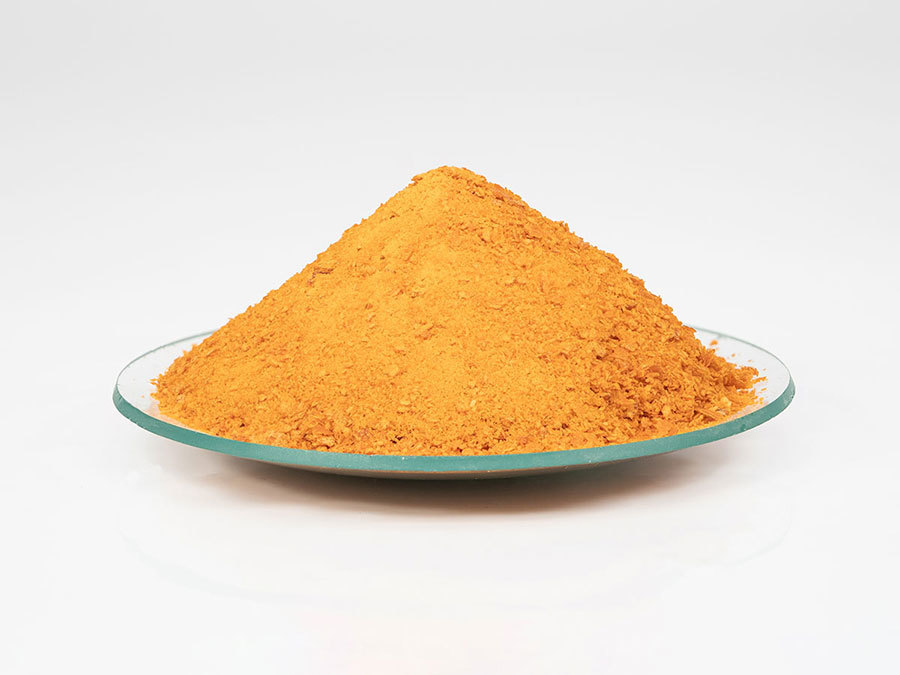
Solid PAC appears as a yellow to brown powder, while the liquid form is a pale yellow, transparent solution. It dissolves readily in water, releasing substantial heat. The hydroxyl groups (–OH) along its polymer chains can bind with pollutants, forming a network‑like floc; simultaneously, through electrostatic neutralization, it destabilizes colloidal particles, promoting rapid settling. For example, in municipal wastewater treatment, dosing PAC at only 20–50 mg/L can reduce COD (chemical oxygen demand) by 60%–80%, with effluent turbidity consistently maintained below 0.3 NTU.
2. Process Adaptability
The basicity of PAC (40%–60%) directly affects its flocculation performance, and by adjusting the basicity, its effectiveness can be optimized across different water qualities. For instance, in low‑temperature, low‑turbidity waters, high‑basicity PAC enhances floc compactness, while food‑grade PAC (with an alumina content ≥29.5%) employs spray‑drying technology to keep water‑insoluble matter below 0.3%, thereby meeting drinking‑water standards.
3. Application Scenarios
- Municipal water treatment: As a mainstream coagulant, PAC is widely used in urban wastewater treatment plants and potable water plants, particularly excelling in the treatment of low-temperature, low-turbidity water.
- Industrial wastewater: In papermaking wastewater treatment, PAC can neutralize anionic impurities, with a dosage of 0.8–1.5 kg per ton of water; in textile dyeing wastewater treatment, when used in combination with polyacrylamide, it can achieve a decolorization rate exceeding 85%.
- Specialized applications: used in papermaking as a sizing agent to enhance paper strength, or in the food and pharmaceutical industries as a clarifying agent for sugar solutions.
Polyferric sulfate (PFS): The “iron-based pioneer” for turbidity removal at low temperatures.
Polyferric sulfate is an inorganic polymeric coagulant prepared from ferrous sulfate via an oxidation–polymerization reaction, with the molecular formula [Fe₂(OH)ₙ(SO₄)₃₋ₙ/₂]ₘ (n<2). Its key characteristics are as follows:
1. Low-Temperature Adaptability
PFS exhibits high flocculation efficiency across a broad pH range of 4 to 11, making it particularly well suited for treating low-temperature, low-turbidity water. For instance, in winter wastewater treatment in northern regions, PFS achieves a flocculation rate 30% faster than PAC and leaves no residual iron ions, thereby preventing secondary contamination.
2. Multifunctional purification capability
PFS not only removes suspended solids and colloids but also degrades COD, BOD, and heavy metal ions. In the treatment of textile dyeing wastewater, a dosage of 150 ppm of PFS can achieve a color removal rate exceeding 85%; in electroplating wastewater treatment, it acts as a complex‑breaking agent, decomposing copper–ammonia complexes and reducing the copper ion concentration from 20 mg/L to below 1 mg/L.
3. Cost-effectiveness
The dosage of PFS is only 50% of that of conventional aluminum salts, reducing treatment costs by 20% to 50%. Moreover, it contains no aluminum, chlorine, or heavy metal ions, meeting drinking water standards. For example, in the South-to-North Water Diversion Project, PFS has been employed for wastewater treatment along the pipeline, effectively ensuring the quality of the conveyed water.
Aluminum chloride hydrate: a low-cost “time-tested choice”
Aluminum chloride hexahydrate (AlCl₃·6H₂O) is a crystalline inorganic compound whose key advantage lies in its cost-effectiveness:
1. Physicochemical Properties
Aluminum chlorohydrate is an orange‑yellow crystalline substance that readily deliquesces and decomposes into hydrogen chloride at 100°C. Its aqueous solution is strongly acidic (pH 1.4–1.7) and, through the coagulation of low‑valent ions, rapidly precipitates suspended solids, making it particularly suitable for treating slightly alkaline water.
2. Application Scenarios
- Industrial wastewater treatment: In the purification of oil‑containing wastewater, aluminum chloride can replace conventional flocculants, reducing treatment costs by more than 30%.
- Precision casting: As a hardening agent, its 33% aqueous solution can significantly enhance the strength of the investment shell and reduce steel leakage and fire‑out incidents.
- Specialized industries: In cosmetic manufacturing, high-purity crystalline aluminum chloride is used for thickening and stability control; in paper sizing, it helps improve filler retention.
3. Technical Limitations and Improvements
Traditional crystalline aluminum chloride suffers from high impurity levels and poor batch-to-batch consistency. Modern processes, employing either the calcium aluminate one-step method or spray-drying technology, reduce water-insoluble matter to below 0.1% and have developed a range of grades—including resin-grade and water-purification-grade products—to meet the demands of high-end applications.
## Synergistic and Substitutive Relationships Among Three Types of Agents
In practical applications, the three types of chemical agents often complement one another based on the characteristics of the water quality:
- Synergy between PAC and PFS: When treating high-turbidity wastewater, PAC rapidly neutralizes charges to form primary flocs, while PFS further densifies these flocs through adsorption‑bridging, thereby enhancing settling efficiency.
PREVIOUS:


Email:
Understand
A professional water purification agent manufacturing enterprise that integrates product research and development, production, sales, and technical services
HUATAO GROUP


Leave Message
We will contact you within one working day. Please pay attention to your email.